When You Hire Smart People, Let Them Lead
Viewpoint on Trust, Governance, and Professional Empowerment
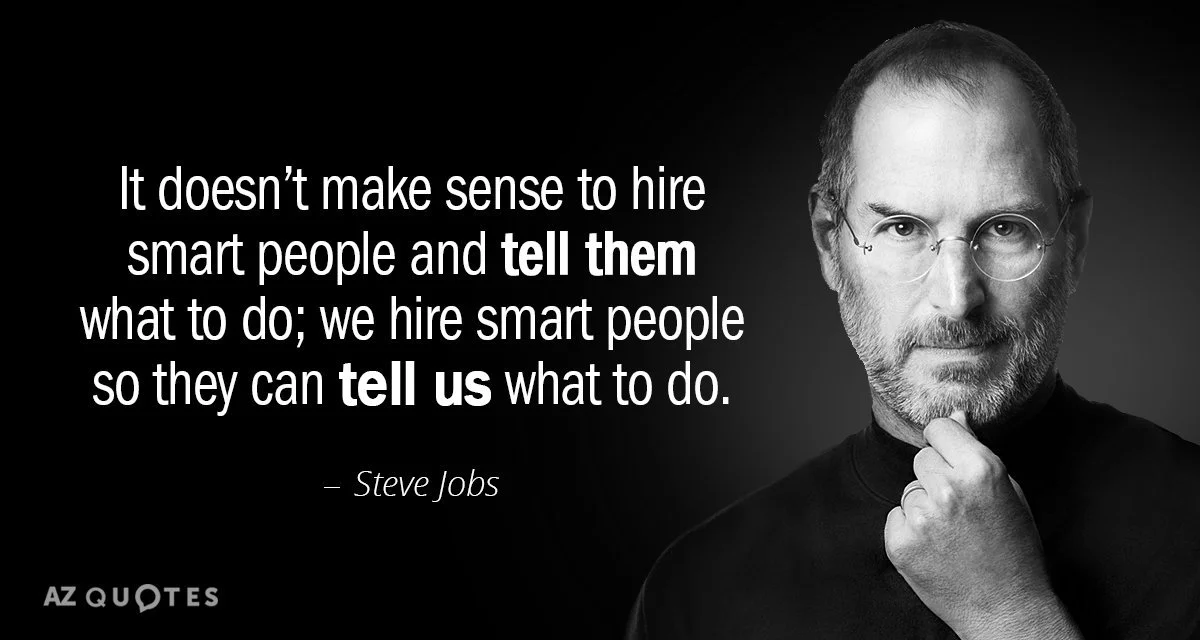
Steve Jobs once said, “It does not make sense to hire smart people and then tell them what to do. We hire smart people so they can tell us what to do.” It is a line that leaders quote often. Fewer fully embrace it.
This idea came into sharp focus for me during the NCA Conference at Addison Reserve. Jeffrey McFadden and the president of The Union League of Philadelphia shared how they structure their committees. They keep them intentionally small, usually five to seven members, and they include at least two paid professionals as full voting participants. The goal is simple. Operational insight should inform decision making, not sit outside of it.
For those unfamiliar with The Union League, it is one of the most respected and successful city clubs in the country. Under Jeffrey’s leadership, the organization has expanded to multiple campuses, strengthened financially, invested in major capital projects, and maintained a reputation for exceptional service. Their success is not accidental. It is the product of clear governance, disciplined structure, and trust in the professionals hired to run the club.
That context matters.
After their presentation, a board member asked a sincere question. What if the solution is to recruit members with similar expertise and place them on the committee? It was a reasonable thought. But the answer was sitting quietly in the room. The expertise already existed. The club had hired the professionals who understood those areas better than anyone. The issue was not capability. It was inclusion.
That moment reminded me of a club I once led that was struggling in food and beverage. We hired a new chef and a new clubhouse manager who were experienced, capable, and exactly who we needed. Around the same time, the board began discussing whether to add a member with restaurant experience to the board to help fix the operation.
The intention was good. The implication, however, could have been damaging.
I asked the board to consider the message it would send to the two professionals we had just recruited. If we believed in them enough to hire them, why would we signal that we needed someone else to oversee their expertise? To their credit, the board immediately understood and stepped back from the idea. They trusted the team in place.
The operation improved dramatically. Not because a member stepped in to lead it, but because we hired the right people and gave them the space and authority to do their work.
Empowerment does not begin with slogans. It begins with structure. It begins with defining roles clearly and creating systems where professionals have voice, responsibility, and support. When committees are structured intentionally and operational leaders are included meaningfully, communication improves and decisions become more informed.
Many clubs already have the talent they need. What they often lack is alignment between governance and management. When boards lean into strategic oversight and professionals are trusted with execution, friction decreases and momentum builds.
Hiring smart people is only the first step. Trusting them to lead is what unlocks the return on that decision.
Organizations do not struggle because they lack intelligence. They struggle when intelligence is hired but not fully utilized.
When you hire smart people, let them lead. That is where real success begins.